About Us – The Story of Degmo
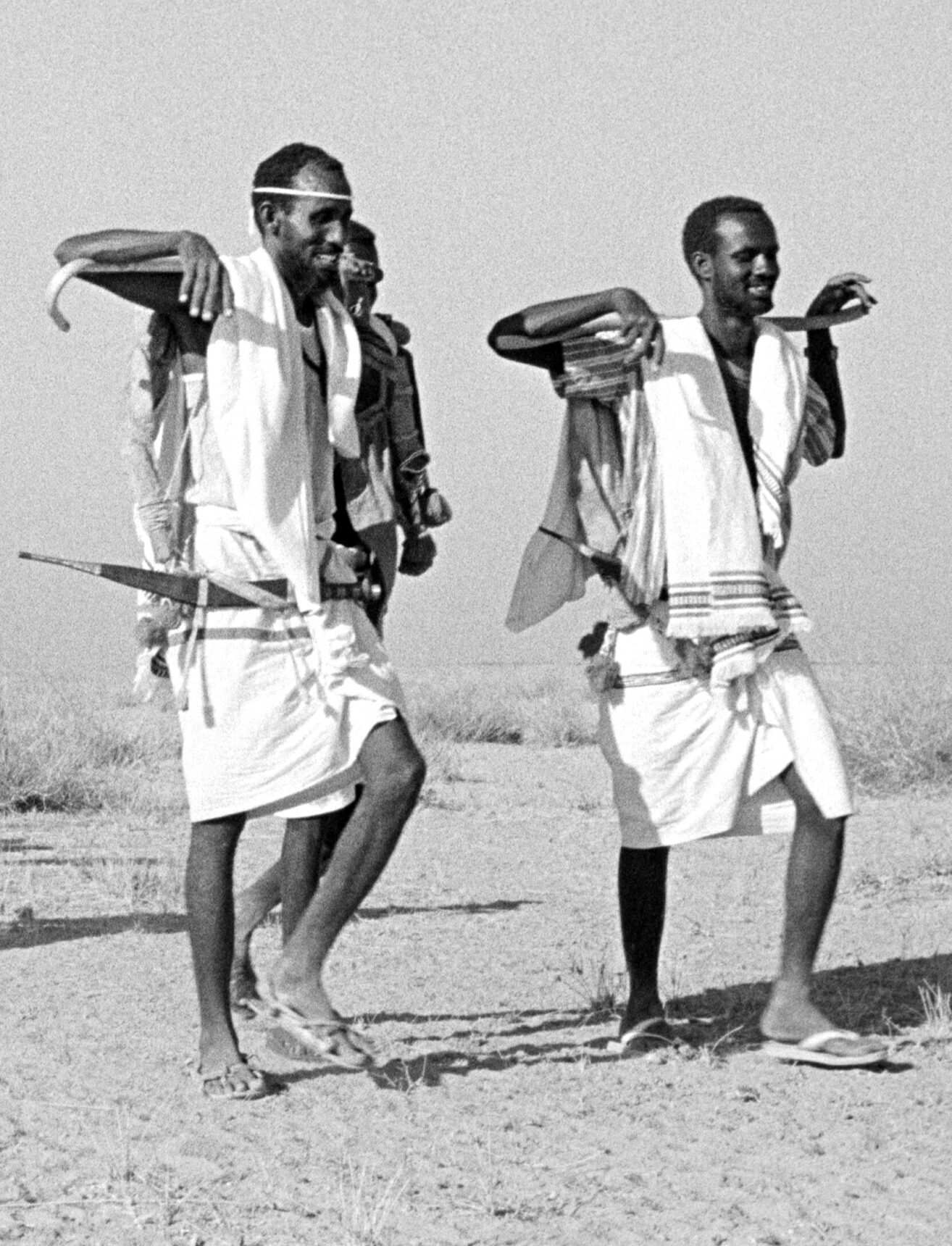
Before the civil war which began in 1988, throughout much of the Somali region of Africa there had long existed a convention amongst families living in towns that during school holidays their children would be sent to the countryside to stay with nomadic relations. Whilst helping to tend to the herds of camels, sheep, goats, and cattle upon which their relatives depended for their livelihood, children from the towns were imbued with the ethos, morals, and culture of the nomads and learned to appreciate and understand values from their pastoral heritage which traditionally contributed so much to the identity of the Somali people, their language, and customs.
During the 1990’s, the number of Somalis living in the UK rose substantially. Amongst younger members of the community, most had either arrived as small children, or been born in the UK. Few, if any, had access to the homeland from where their families originated and which was the source of much of their identity, culture and heritage. Due to their nomadic traditions, little about the old life the Somali community had left behind had been written down, or recorded, and without the context into which it fitted, oral reminiscences by older generations seemed irrelevant to Somali children coming to terms with new lives in UK inner cities. Worse, Somalis were being tarnished by association with negative stereotypes spread through media reports, foreign governments, and fund-raising campaigns operated by humanitarian organisations. A counterbalance was required: an opportunity for Somalis to celebrate the positive aspects of their heritage and culture and imbue their children with an understanding of their origins.
In 2008, in collaboration with Somali communities from around the UK, and with financial sponsorship from members of the Somali business community, Hamish Wilson opened Degmo on his farm in the Welsh Marches and welcomed the first group of Somali families. Using his collection of genuine Somali artefacts, his numerous photographs of traditional life in the Somali region, and extensive experience of living and travelling amongst Somali pastoralists for more than forty years, Hamish combined immersion in Somali culture with hands-on activities around the farm and access to nature in the surrounding countryside.
Since 2008, many thousands of Somalis have visited Degmo. Today, it is not unusual to find parents who themselves came to the farm as young people now bringing their own children to stay at Degmo.
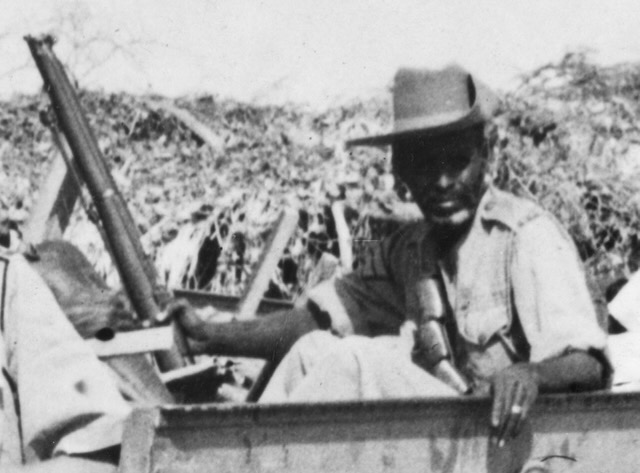
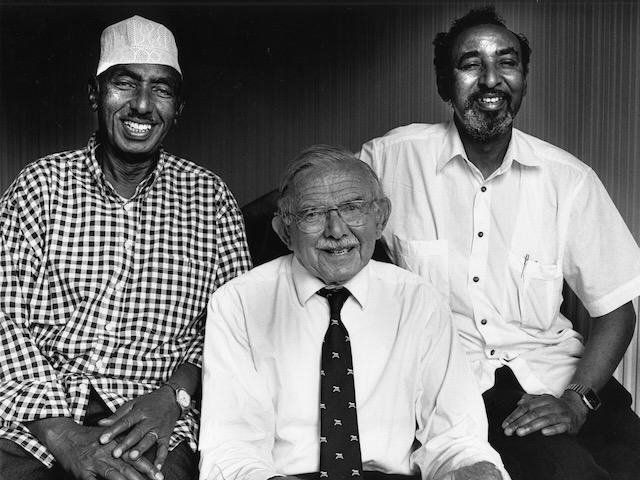
Degmo is synonymous with the memory of Hamish’s father, Eric, and Eric’s friend, Sergeant Omar Kujoog, who was killed in action fighting alongside him whilst resisting the Italian invasion of British Somaliland in 1940. In the early 1970’s Husseen, the eldest son of Omar Kujoog, who at the time of his father’s death had been with his family and their livestock in the interior of Somaliland, made contact with Eric. To this day multiple generations of both families have remained in constant contact and meet regularly.
In 2005, to assist with the purchase of the farmland on which Degmo is located, Eric Wilson sold the Victoria Cross which he was awarded for the action in which Omar Kujoog died. Eric insisted that all the proceeds from the sale should benefit both the Wilson family and the Somali community, thereby continuing the bond which his relationship with Omar Kujoog had created all those years ago.